
Event Planning for Local Businesses offers significant advantages, including enhanced brand visibility, improved customer experiences, and increased revenue (up to 25% within a year). Professional event managers provide expertise, saving local business owners time and resources while boosting marketing efforts and community engagement. Strategic partnerships with event pros facilitate successful events, allowing small businesses to focus on core operations, fostering local economic growth through strategic alliances.
Small businesses are the backbone of local economies, yet many struggle to effectively promote themselves through events due to a lack of specialized knowledge and resources. Event Planning for Local Businesses offers a solution to this growing challenge by guiding small business owners through the complexities of event organization. In today’s competitive market, successful events can significantly boost brand visibility and customer loyalty. However, without professional guidance, these endeavors often become overwhelming and fail to achieve their intended impact. This article provides an in-depth look at strategies tailored for small business owners aiming to harness the power of events.
- Unlocking Business Growth: Collaborating with Event Pros
- Navigating Event Planning for Local Businesses Effectively
- Building Lasting Partnerships: Strategies for Small Business Owners
Unlocking Business Growth: Collaborating with Event Pros
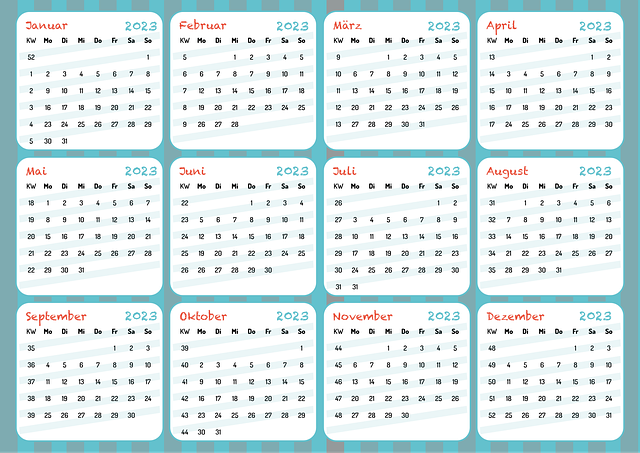
Small business owners often find themselves at a crossroads when it comes to growth and expansion. Unlocking their full potential requires strategic moves, and one undervalued yet powerful tool is collaborating with event professionals. In today’s competitive landscape, event planning for local businesses has emerged as a critical component of overall success. By partnering with experts in the industry, small business owners can tap into new markets, enhance brand visibility, and create memorable customer experiences.
The benefits are significant. Event pros bring a wealth of knowledge and experience, ensuring that each event is well-organized, on budget, and delivers an exceptional guest experience. They understand the art of storytelling through events, which is essential in building brand identity and fostering community engagement. For instance, a local café owner who collaborates with an event planner can transform their intimate space into a vibrant venue for pop-up dinners, attracting new customers and creating a buzz around their brand. This strategic shift not only drives sales but also positions the business as an industry leader.
Data supports this trend. According to a recent study, businesses that invest in professional event planning see an average 25% increase in revenue within the first year. This growth is attributed to improved marketing strategies, increased customer retention, and enhanced brand reputation. Moreover, with the rise of social media, events offer an unparalleled opportunity for businesses to generate organic content and expand their online presence. By partnering with event planners, small business owners can focus on their core competencies while leveraging external expertise to elevate their operations to new heights.
Navigating Event Planning for Local Businesses Effectively

Small businesses play a vital role in shaping local economies and communities, yet many struggle with effective Event Planning for Local Businesses. As these enterprises seek to expand their reach and engage customers, professional event management becomes increasingly crucial. This is especially true for events that showcase products, services, or community initiatives, which can significantly impact brand visibility and local support.
Navigating the complex world of event planning requires a strategic approach tailored to the unique needs of small businesses. A well-organized event can attract new clients, strengthen customer relationships, and enhance brand reputation. However, the process demands meticulous attention to detail, from initial concept creation to execution and post-event analysis. Local business owners often face challenges such as limited budgets, time constraints, and a lack of specialized knowledge, making it essential to seek professional assistance or at least gain a comprehensive understanding of event planning principles.
For instance, a small bakery owner hosting a grand opening event needs to consider venue selection, catering, entertainment, and promotional activities—all while ensuring the core business operations remain unaffected. An expert event planner can help create a memorable experience by providing insights into local vendor networks, offering cost-effective solutions, and overseeing logistics seamlessly. Data suggests that well-planned events can yield substantial returns on investment for small businesses, leading to increased sales and community engagement. By partnering with reliable event professionals, local enterprises can focus on their core competencies while reaping the benefits of successful event execution.
Building Lasting Partnerships: Strategies for Small Business Owners

Small business owners often find themselves worn thin, juggling multiple roles to keep their enterprises afloat. Event planning can be a significant challenge, but it also presents an opportunity to forge lasting partnerships with local event pros. Building strong alliances with vendors and service providers not only enhances operational efficiency but also strengthens the overall community. Consider this: According to a 2021 survey by IBISWorld, the small business landscape in the US is dynamic, with approximately 97% of businesses employing less than 500 people. These figures underscore the importance of strategic partnerships for long-term success.
Event planning for local businesses can serve as a bridge to build these crucial connections. One effective strategy involves early engagement—reaching out to event pros well in advance of the event date. This allows ample time for consultation, collaboration, and the development of customized solutions tailored to specific business needs. For instance, a small café owner hosting a grand opening might partner with a local event decorator who can help create an ambiance that reflects the brand identity while ensuring a seamless guest experience. Such partnerships not only facilitate successful events but also foster ongoing professional relationships.
Additionally, transparent communication and clear expectations are paramount. Small business owners should articulate their vision, budget constraints, and desired outcomes upfront. This open dialogue encourages event pros to offer tailored recommendations and innovative solutions that align with the client’s objectives. For example, a boutique owner planning a holiday pop-up shop could collaborate with a marketing agency specializing in local events to craft a promotional strategy that leverages social media and community engagement, ultimately driving foot traffic to the store. By prioritizing clear communication and mutual understanding, these partnerships are more likely to yield exceptional results, ensuring both parties benefit from the shared success.
By unlocking the potential of collaboration with event pros, small business owners can significantly boost their growth trajectory. Effectively navigating event planning for local businesses involves strategic partnerships and a deep understanding of community dynamics. Building lasting relationships through clear communication and mutual benefits creates a powerful synergy. This article has empowered readers with key insights into Event Planning for Local Businesses, offering practical strategies to foster successful collaborations that drive business success and strengthen community ties. Moving forward, small business owners are encouraged to take these learnings and implement them to create impactful events that resonate with their target audiences.