
Community events thrive on understanding local dynamics and interests. Businesses can plan engaging events by surveying communities, collaborating with local businesses for sponsorships, and aligning themes with demographic makeup, diversity, and popular passions. Strategic planning, including logistical streamlining and tech integration, ensures successful, memorable events that boost community bonds and local business growth.
Community events bring people together, fostering a sense of belonging and enhancing local lifelines. For local businesses looking to engage and connect with their target audience, event planning is key. This guide offers actionable strategies for event planning for local businesses, focusing on identifying community needs, securing sponsorship from local partners, and streamlining logistics for successful, seamless events that leave a lasting positive impact.
- Identify Community Needs for Successful Events
- Collaborate with Local Businesses for Sponsorship and Resources
- Streamline Logistics for Seamless Execution and Engagement
Identify Community Needs for Successful Events
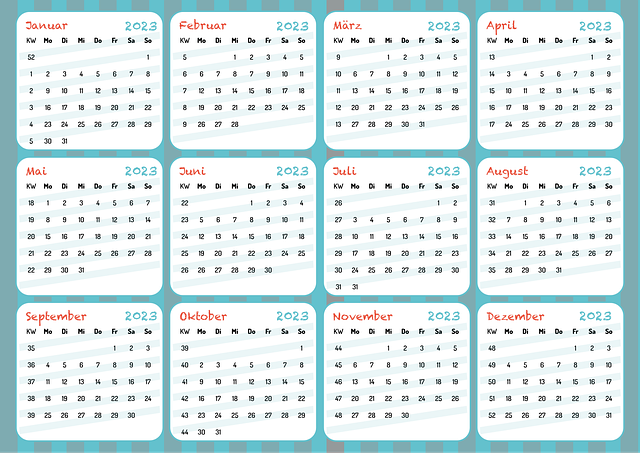
Community events are a powerful tool for fostering connections and strengthening neighborhood bonds, but organizing them successfully requires understanding local needs and preferences. For event planning for local businesses, identifying the specific interests and concerns of your community is essential. This might involve surveying residents, engaging with local leaders, or attending existing community meetings to gauge what would resonate most. Consider factors like demographic makeup, cultural diversity, and popular hobbies or causes within the area. By aligning events with these needs, organizers can attract larger crowds, foster genuine engagement, and create meaningful experiences that leave a lasting positive impact on both participants and businesses involved.
Collaborate with Local Businesses for Sponsorship and Resources
Collaboration with local businesses can significantly enhance community events, making them more successful and sustainable. By reaching out to nearby companies, event organizers can secure sponsorships, essential resources, and even volunteer help. This partnership benefits both parties; businesses gain exposure to their target audience while supporting initiatives that strengthen the local community.
Event Planning for Local Businesses involves creative strategies such as offering branding opportunities at the event, providing advertising packages, or arranging mutually beneficial partnerships. These collaborations not only provide financial support but also attract a wider audience, ensuring better turnout and engagement during the community gathering.
Streamline Logistics for Seamless Execution and Engagement

Community events, when well-organized, can be a powerful tool for engagement and growth among local businesses. Streamlining logistics plays a pivotal role in ensuring these events’ success and maximum participant satisfaction. By optimizing processes like venue selection, catering arrangements, and volunteer management, event planners can create seamless experiences that foster community bonds and promote local entrepreneurship.
Effective Event Planning for Local Businesses involves utilizing technology to simplify tasks such as registration, communication with attendees, and managing event schedules. This approach reduces stress, saves time, and allows organizers to focus on curating meaningful activities that attract and retain participants’ interest. Ultimately, a well-streamlined logistics system enhances the overall effectiveness of community events, making them memorable for both organizers and attendees alike.
Community events, when planned effectively, can foster a strong sense of local identity and engagement. By understanding community needs through thoughtful assessment, collaborating with local businesses for sponsorship and resources, and streamlining logistics, event organizers can create seamless experiences that bring folks together. This approach not only enhances the vibrancy of local communities but also strengthens the bond between event planners, businesses, and attendees, making it a win-win situation for all involved in Event Planning for Local Businesses.