
Event Planning for Local Businesses thrives through community needs assessment, aligning event themes with resident interests, strategic partnerships, clear communication, and inclusive practices. Utilizing digital tools, active outreach, diverse promotional channels, and technology integration enhances engagement, strengthens business relationships, and fosters neighborhood cohesion, especially during crises. Key takeaways: community-focused planning, partnership strategies, digital innovation for efficiency and reach, and diverse promotion for maximum impact.
Community events have become a cornerstone of local business engagement, fostering connections and strengthening the social fabric. However, effective event planning for local businesses often faces challenges, from logistics to promotion. Streamlining this process is crucial for maximizing impact and ensuring these gatherings are not just organized but exceptional. This article delves into innovative strategies and best practices for community event management, equipping local business owners with the tools needed to plan and execute memorable experiences that resonate with their target audiences. By mastering event planning, businesses can elevate their local presence and contribute significantly to their communities.
- Identifying Community Needs: Engaging Local Businesses for Event Planning
- Designing Inclusive Events: Strategies for Successful Organization
- Streamlining Logistics: Tools for Efficient Event Execution & Promotion
Identifying Community Needs: Engaging Local Businesses for Event Planning
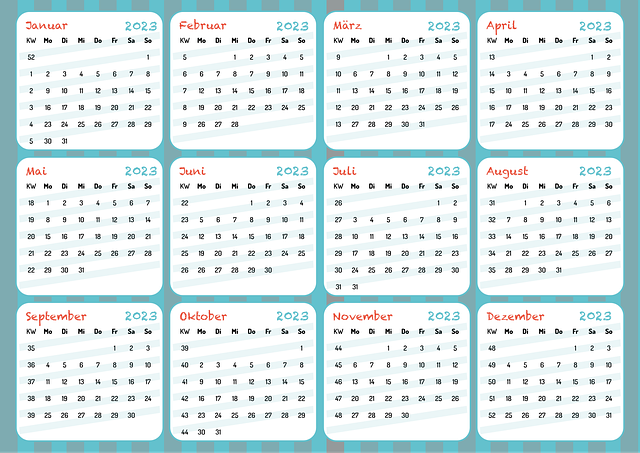
Identifying community needs is a foundational step in effective event planning, especially when engaging local businesses. Successful events often emerge from a deep understanding of what resonates with the community—be it cultural celebrations, educational workshops, or environmental initiatives. Event planners can facilitate this process by conducting surveys, hosting focus groups, and analyzing demographic data to pinpoint key interests and challenges. For instance, a small town might realize through such research that there’s a growing interest in sustainable living practices among its residents. This insight guides the planning of an annual eco-festival, attracting local businesses specializing in organic produce, recycled goods, and eco-friendly services.
Partnerships with local businesses are pivotal to event planning success. These entities not only provide financial support but also bring expertise and community connections. Planners should initiate outreach by identifying businesses aligned with the event’s theme or purpose. A local farmers’ market vendor, for example, could offer insights into promoting fresh produce sales, while a community center might lend its space at a discounted rate. Offering sponsorship packages that include brand visibility during the event, in promotional materials, and on social media can incentivize businesses to get involved. According to industry reports, strategic partnerships enhance event participation rates by up to 30%, demonstrating their value in successful event planning for local businesses.
Effective communication channels are essential when engaging local businesses. Planners should establish clear guidelines, deadlines, and expectations from the outset. Regular meetings, email updates, and dedicated online platforms can facilitate collaboration. For instance, a shared Google Drive folder could house event briefs, branding guidelines, and promotional content for real-time access and feedback. Additionally, recognizing and celebrating business contributions during or after the event fosters goodwill and encourages future partnerships. A simple acknowledgement on social media or an event program, highlighting their sponsorship and impact, goes a long way in building lasting relationships within the community.
Designing Inclusive Events: Strategies for Successful Organization

Creating inclusive community events requires thoughtful planning to cater to a diverse range of participants. Event planners should begin by understanding the needs and interests of different demographic groups within their community. This involves considering factors such as age, abilities, cultural backgrounds, and socioeconomic status. For instance, incorporating accessible transportation options, sign language interpreters, or multilingual event materials can significantly enhance inclusivity. Local businesses play a pivotal role in this process; many offer resources and expertise that can streamline event planning, ensuring an inclusive environment from venue selection to catering. Data suggests that diverse events foster stronger community bonds, encouraging participation and engagement among all residents.
Effective strategies for designing inclusive events involve active outreach and collaboration with local organizations representing various communities. By partnering with these groups, organizers can gain valuable insights into cultural sensitivities and traditional practices, ensuring respectful celebrations. For example, when planning a festival, engaging with ethnic community leaders can help incorporate authentic food, music, and performances, creating an enjoyable experience for everyone. Additionally, utilizing digital platforms to promote events ensures accessibility for those who may not frequent traditional media sources.
Practical advice includes developing clear, detailed event descriptions that highlight accessibility features; providing multiple communication channels for registration and feedback; and offering a variety of participation options. Planners should also be prepared to accommodate last-minute requests related to accessibility, ensuring flexibility throughout the process. By implementing these strategies, community events can become vibrant showcases of local diversity, fostering a stronger, more united neighborhood.
Streamlining Logistics: Tools for Efficient Event Execution & Promotion

Community events organized with ease play a pivotal role in fostering local engagement and strengthening business ties for Event Planning for Local Businesses. Streamlining logistics is not just about simplifying processes; it’s an art that transforms potential chaos into seamless experiences. Efficient event execution relies on robust tools, from digital platforms to dedicated software, which automate tasks, enhance communication, and offer real-time data. For instance, event management apps like Bizzabo or Eventbrite empower organizers with features such as ticket sales, attendee tracking, and promotional tools, ensuring a well-oiled machine from initial planning to post-event follow-ups.
Promotional strategies also undergo a significant evolution. Social media platforms, with their vast reach and targeted advertising capabilities, have become indispensable. Engaging visuals, compelling copy, and strategic hashtags can create buzz long before the event begins. Consider a study by Eventbrite revealing that 73% of attendees are influenced by social media when choosing and promoting events. Leveraging these digital tools not only amplifies event visibility but also facilitates personalized communication with participants, ensuring higher attendance and engagement.
Moreover, integrating technology into event planning offers scalable solutions for Local Businesses. Online registration and payment gateways streamline attendee management, while interactive displays and live streaming enhance the event experience. For example, virtual events have gained prominence, especially during global health crises, allowing businesses to connect with diverse audiences worldwide. As events become more tech-driven, organizers can expect increased efficiency, better data insights, and opportunities to create memorable, impactful experiences that leave a lasting impression on participants.
By aligning community needs with local business resources, event organizers can create inclusive gatherings that foster a sense of belonging. Engaging businesses not only secures financial support but also brings expertise in event planning, ensuring successful execution. Key takeaways include designing events with diverse participation in mind, leveraging technology for efficient logistics management, and utilizing promotional tools to maximize attendance. For local businesses interested in Event Planning, the next step involves implementing these strategies to host community events that cater to diverse needs, strengthen local connections, and leave a lasting positive impact.