
Event Planning for Local Businesses transforms communities through strategic partnerships and innovative technology. Key elements include understanding community needs, leveraging business resources, using digital tools for organization and promotion, and data analytics to enhance attendee experiences. This approach drives economic growth, fosters sense of belonging, and positions businesses as integral cultural contributors.
Community events bring people together, fostering a sense of belonging and strengthening local connections. However, for busy local business owners, organizing these events can be a daunting task, often competing with other priorities. This is where Event Planning for Local Businesses steps in as a vital solution. Our comprehensive guide aims to demystify the process, offering practical strategies and insights tailored to meet the unique needs of community event organizers. By the end, you’ll be equipped with the tools to transform your vision into successful, engaging local gatherings.
- Identifying Community Needs: Engaging Local Businesses for Event Planning
- Creating a Successful Community Calendar: Strategies for Event Organization
- Leveraging Technology: Tools for Seamless Event Planning and Promotion
Identifying Community Needs: Engaging Local Businesses for Event Planning
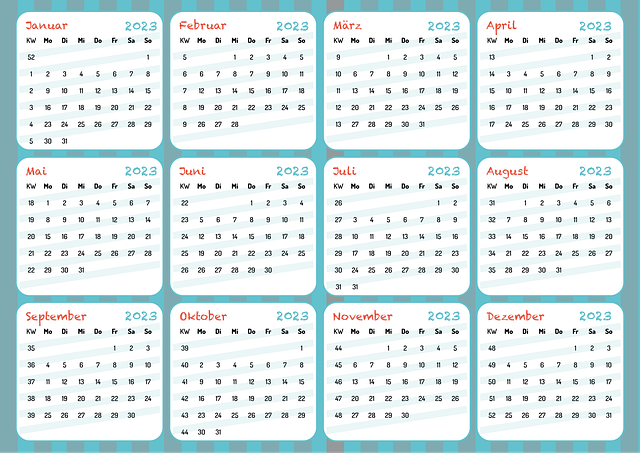
Community events have become a vital instrument for fostering social cohesion and enhancing local economies. However, effective event planning requires a deep understanding of community needs and strategic partnerships with local businesses. Engaging these businesses not only provides essential resources but also brings fresh perspectives and innovative ideas to event organization.
Identifying community needs involves assessing local priorities through surveys, community meetings, and data analysis. For instance, a town might seek events that promote environmental awareness or support at-risk youth. Once these needs are clear, reaching out to local businesses for Event Planning becomes a strategic move. Businesses can contribute financially, offering sponsorships or discounts on supplies, but their true value lies in expertise and creativity. A bakery could provide refreshments, while a marketing agency might help with event promotion—both enhancing the community event’s reach and appeal.
Partnerships should be mutually beneficial. Offer businesses visibility through event branding and promotion, providing them with opportunities to connect with local residents. For instance, a successful collaboration might result in increased foot traffic for participating businesses post-event. Moreover, involving businesses in decision-making processes ensures events align with community values and local interests, fostering long-term support and engagement. This strategic approach to Event Planning can transform community gatherings into powerful forces for positive change.
Creating a Successful Community Calendar: Strategies for Event Organization

Organizing community events requires strategic planning to ensure a successful turnout and positive impact. A comprehensive community calendar serves as a centralized hub for local businesses, residents, and organizations, fostering engagement and connection. The key to effective event planning lies in creating an inclusive environment that caters to diverse interests and needs.
Starting with clear objectives is paramount. Defining the purpose of each event—be it a cultural festival, educational workshop, or sports tournament—is essential for attracting the right audience. For instance, a local business association might organize a monthly farmers’ market to promote sustainable living and support regional agriculture, drawing health-conscious consumers. Data suggests that community events with clear goals witness higher attendance rates due to targeted marketing efforts.
Event planning software and digital calendars are indispensable tools for managing logistics. These platforms allow organizers to set up custom event pages, send automated invitations, and track RSVPs efficiently. For local businesses interested in Event Planning, integrating such systems can streamline promotion and participation. Consider using social media platforms to create buzz around events, leveraging hashtags and targeted ads to reach a broader audience. A well-organized calendar with engaging content not only enhances community spirit but also positions local businesses as active contributors to the neighborhood’s cultural vibrancy.
Leveraging Technology: Tools for Seamless Event Planning and Promotion

Technology has transformed event planning, empowering organizers to streamline processes and enhance engagement for local businesses and communities alike. Digital tools offer a myriad of benefits, from centralized event management platforms that simplify schedule creation and venue booking, to robust marketing solutions facilitating targeted promotions and audience interaction.
For instance, social media platforms have become indispensable event promotion channels, allowing organizers to reach vast audiences with tailored content and real-time updates. Event planning software also integrates with these platforms for seamless ticket sales and attendee management. Consider the success of local farmers’ markets that utilize dedicated apps to share event details, promote special events, and facilitate contactless payments, significantly boosting attendance and community participation.
Furthermore, leveraging data analytics enables organizers to gain insights into attendee preferences, allowing them to customize experiences and tailor offerings. This data-driven approach ensures events align with the interests of local businesses and their target audiences, fostering stronger connections within the community. By embracing these technological advancements, event planners can create vibrant, engaging experiences that drive economic growth and foster a sense of belonging among residents.
By leveraging strategic partnerships with local businesses and embracing technology, community events can be organized with unprecedented ease. This article has illuminated crucial insights: identifying community needs through engagement with local enterprises, crafting successful event calendars through thoughtful planning, and utilizing innovative tools for efficient promotion. For business owners, these strategies offer practical next steps in Event Planning, enabling them to contribute meaningfully to their communities while enhancing their own visibility. Embracing these approaches ensures a vibrant tapestry of events that bring folks together, fostering growth and connection within local landscapes.