
Event Planning for Local Businesses:
Strategic corporate events enhance reputation, foster relationships, and drive growth. Essential components include defining clear objectives, detailed budgeting, strategic venue selection, using planning software, effective communication, and post-event evaluation. By implementing these practices, local businesses can create memorable experiences, optimize logistics, build community, and significantly increase attendee satisfaction and job performance. Technology aids in real-time collaboration, task assignment, and reminders, emphasizing early securing of venues and vendors, clear objectives, regular plan reviews, and building local venue relationships for successful event planning.
In today’s competitive business landscape, smooth corporate functions are non-negotiable for sustained success. However, coordinating events can be a complex task, particularly for local businesses with limited resources. Event Planning has emerged as a vital discipline, offering strategic solutions to enhance productivity, foster team collaboration, and elevate brand visibility. This authoritative article delves into the art and science of Event Planning tailored for Local Businesses, providing practical insights and actionable strategies to orchestrate seamless corporate events that drive tangible results.
- Strategies for Seamless Corporate Event Management
- The Art of Coordinating Local Business Gatherings
- Optimizing Logistics: Planning for Success
Strategies for Seamless Corporate Event Management

Effective corporate event management is pivotal for local businesses aiming to enhance their reputation, foster relationships, and drive growth. Orchestrating successful events requires a strategic approach that seamlessly integrates planning, execution, and post-event evaluation. A comprehensive strategy involves several key components.
Firstly, defining clear objectives ensures every aspect of the event aligns with business goals. For instance, a local tech startup might host an industry panel to establish itself as a thought leader, while a retail store could organize a customer appreciation day to boost sales and loyalty. Second, detailed budgeting is essential; this includes allocating funds for venue, catering, entertainment, and marketing, with contingency plans in place for unforeseen expenses. According to a recent survey by EventMB, 73% of event planners said effective budget management was crucial to their success. Third, choosing the right venue is critical; considering factors like capacity, location, and amenities ensures an event space that accommodates both expected attendees and the event’s atmosphere.
Event planning software can streamline this process for local businesses. Tools like Eventbrite or Cvent offer customizable platforms to manage registration, seating arrangements, and even virtual participation options. Moreover, effective communication is vital; regular updates to stakeholders, vendors, and attendees ensure everyone is aligned and prepared. Finally, evaluating post-event data—from feedback forms to social media engagement—provides valuable insights for future events, refining strategies based on actual outcomes. By implementing these practices, local businesses can elevate their event management capabilities, creating memorable experiences that contribute significantly to their success.
The Art of Coordinating Local Business Gatherings

The seamless coordination of local business gatherings is a nuanced art, often the overlooked yet pivotal aspect of corporate success. Event planning for local businesses demands meticulous attention to detail, ensuring each gathering—from workshops to conferences—is executed with precision and purpose. Considerable effort goes into managing logistics, from venue selection that caters to the event’s scale and theme, to scheduling that accommodates diverse stakeholders. For instance, a tech startup’s quarterly meetup might require a spacious innovation hub, while a retail network’s seminar could benefit from an intimate setting fostering open dialogue.
Expert event planners understand that successful coordination extends beyond physical spaces. It involves cultivating engaging agendas, facilitating interactive sessions, and leveraging technology to enhance participation. For local businesses, these gatherings are vital for knowledge-sharing, networking, and fostering collaborative relationships. Data suggests that well-organized events can significantly boost attendee satisfaction and business growth. According to a recent survey, 87% of participants reported improved job performance after attending industry conferences with excellent planning and execution.
To orchestrate local business gatherings effectively, event planners should prioritize adaptability. Unforeseen challenges, such as last-minute venue changes or speaker cancellations, require agility and quick problem-solving. Utilizing comprehensive event management software can streamline these processes, enabling real-time updates and efficient communication. Additionally, fostering a collaborative spirit among vendors and partners ensures a cohesive experience. By treating each gathering as a unique opportunity to build community and strengthen professional ties, local businesses can thrive in a competitive market.
Optimizing Logistics: Planning for Success
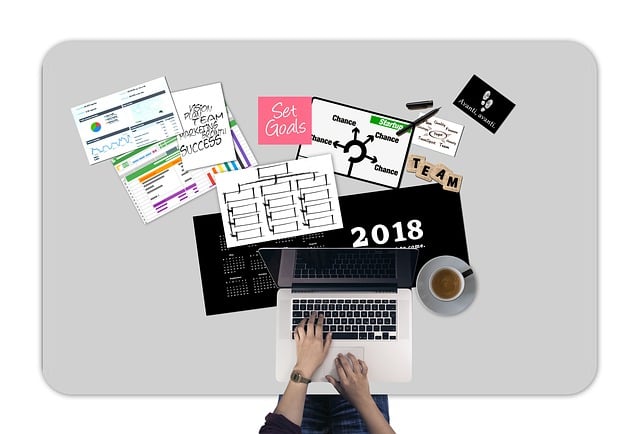
Corporate functions run smoothly when logistics are optimized, ensuring every detail is meticulously planned for success. Event planning plays a pivotal role in this process, particularly for local businesses aiming to create memorable experiences. A well-organized event goes beyond simple venue selection and catering; it involves strategic coordination of resources, timelines, and personnel. For instance, consider a local tech startup hosting an industry conference. Successful execution requires months of planning, including securing a suitable venue capable of accommodating hundreds of attendees, coordinating audio-visual equipment from multiple vendors, and managing logistics for speakers, panelists, and exhibitors.
Expert insights highlight the significance of detailed event planning. According to a 2022 survey by Eventbrite, 73% of event organizers cited effective planning as the key to a successful event. This includes creating comprehensive timelines, establishing clear communication channels among stakeholders, and implementing efficient inventory management systems. For local businesses, leveraging technology can significantly enhance event planning capabilities. Digital tools offer real-time collaboration, streamlined task assignment, and automated reminders, ensuring every team member is aligned and prepared.
Actionable advice for optimizing logistics includes starting early to secure venues and vendors, especially during peak seasons; establishing clear objectives and budgets for each aspect of the event; and regularly reviewing and adjusting plans as needed. Regular site visits and vendor meetings can help identify potential issues early on. Additionally, fostering strong relationships with local venues and service providers can lead to better deals and more flexible arrangements. By prioritizing meticulous planning, local businesses can elevate their events, foster stronger industry connections, and leave a lasting impression on attendees.
The article offers a comprehensive guide for event planning, focusing on strategies essential for smooth corporate functions. Key insights include the importance of strategic planning, seamless coordination, and meticulous logistics optimization for local business gatherings. By delving into these aspects, organizations can ensure successful events that foster collaboration and enhance operational efficiency. For local businesses looking to excel in Event Planning, this knowledge is invaluable—it equips them with the tools to create memorable experiences, ultimately elevating their corporate image and strengthening community ties. These practical takeaways provide a solid foundation for implementing effective event management strategies.