
Event Planning for Local Businesses transforms corporate events from routine to strategic priority. By aligning objectives with business goals, companies can connect with audiences, engage communities, and strengthen market positions. Key insights include:
– Meticulous planning, data analysis, flexible navigation, and clear communication drive success.
– Creative storytelling through interactive elements, speakers, and entertainment enhances attendee satisfaction and brand connection.
– Strategic event planning enables community goodwill, customer attraction, and market expansion.
– Data-driven decisions, based on impact measurement and insights, ensure tailored events for strategic growth and innovation.
In today’s competitive business landscape, seamless corporate operations are a cornerstone of success for local enterprises. Event planning plays a pivotal role in achieving this, serving as the orchestrator behind successful meetings, conferences, and community engagement initiatives. However, navigating the complexities of organizing events can be challenging for businesses lacking dedicated resources or expertise. This article delves into the art of event planning specifically tailored for local businesses, offering strategic insights to ensure every corporate gathering runs smoothly and contributes to overall business growth.
- Strategize: Crafting Event Plans for Business Success
- Execute: Seamless Coordination for Corporate Functions
- Evaluate: Measuring Impact Through Event Analysis
Strategize: Crafting Event Plans for Business Success
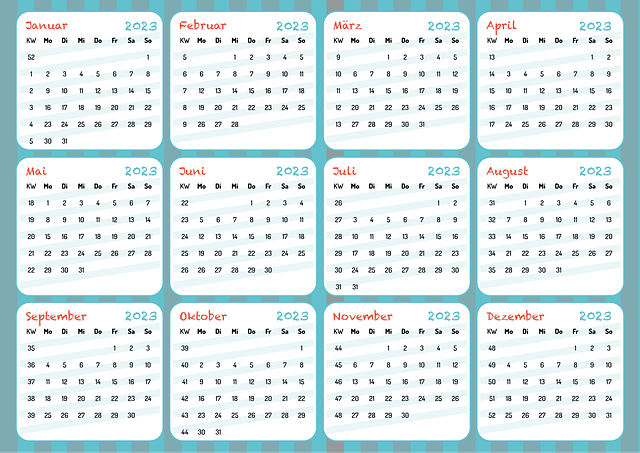
Corporate functions smoothly orchestrated when event planning is elevated from a mundane task to a strategic imperative. In today’s competitive business landscape, successful companies recognize the power of events – from client appreciation dinners to conferences and product launches – as vital tools for building relationships, cultivating brand awareness, and driving growth. Event Planning for Local Businesses, in particular, presents a unique opportunity to connect with target audiences, foster community engagement, and solidify market position.
Crafting event plans that resonate requires meticulous strategizing. It begins with defining clear objectives aligned with broader business goals. For instance, a tech startup might aim to launch a new product by creating a buzz at a local industry gathering, while a non-profit organization could seek to raise awareness and funds through an experiential fundraising gala. Once objectives are established, event planners must consider key elements like venue selection, budget allocation, target audience demographics, and desired ambiance to create a cohesive experience that captivates attendees and achieves the intended outcomes.
Effective event planning involves more than logistical management; it demands creative storytelling. Incorporating interactive elements, captivating speakers, and engaging entertainment strategically weaves together a narrative that resonates with participants. Data from industry reports indicates that immersive events boost attendee satisfaction, foster deeper connections with brands, and lead to increased sales and customer loyalty. For local businesses, leveraging Event Planning as a strategic tool can be a game-changer, fostering goodwill within the community while attracting new customers and expanding market reach.
Execute: Seamless Coordination for Corporate Functions

Corporate functions, from annual galas to team-building workshops, demand meticulous planning to ensure a seamless experience. At the heart of this process lies event planning—a strategic art requiring intricate coordination. Consider it the conductor leading an orchestra; each element—venue selection, catering, entertainment—must harmonize perfectly for the entire performance to resonate. For local businesses aiming to elevate their corporate events, understanding the nuances of effective event planning is paramount.
Seamless coordination begins with defining clear goals and objectives. Are you cultivating community spirit, fostering team bonding, or launching a new product? Identifying these catalysts guides every subsequent decision—from choosing an appropriate venue that caters to your audience and theme to selecting vendors who align with your vision. Data plays a crucial role here; leveraging industry insights can help pinpoint trends, budget effectively, and secure desired partners. For instance, a local tech startup hosting its first client appreciation event could benefit from researching similar events in the region to gauge logistics and budget allocation.
Effective communication is the linchpin of successful event planning. Establish clear lines of communication with all stakeholders—from internal teams to external vendors—to ensure everyone is aligned on timelines, expectations, and any changes. Regular check-ins, detailed briefing documents, and a designated point person for each vendor relationship can mitigate missteps and foster collaboration. Consider this: according to a recent survey by Eventbrite, clear communication was cited as the top factor contributing to successful corporate events, with 87% of event planners attributing positive outcomes to open lines of dialogue.
Flexibility is another cornerstone. Unexpected challenges are inevitable; whether it’s weather delays, vendor cancellations, or last-minute changes in attendance. Adaptability ensures your event planning doesn’t unravel under pressure. Maintain contingency plans, have backup vendors readily available, and remain calm under stress. Remember, an event planner who embraces change with grace can transform potential pitfalls into opportunities, ensuring a memorable experience for all attendees.
Evaluate: Measuring Impact Through Event Analysis

Corporate functions operate most effectively when event planning for local businesses is meticulous and strategic. Measuring impact through event analysis is a crucial component of this process, enabling organizations to assess not only short-term outcomes but also long-term strategic goals. By meticulously evaluating every aspect of an event—from participant engagement to sponsorship returns—companies can gain valuable insights into what drives success and identify areas for improvement.
For instance, consider a local tech startup that hosted a networking event with the aim of fostering industry partnerships. Through rigorous post-event analysis, they discovered that while initial attendance was high, only 25% of attendees converted into potential business partners. This data prompted them to reassess their marketing strategies and focus on creating more targeted invitations, ultimately leading to a 30% increase in partnership opportunities at subsequent events. Event planning for local businesses thus becomes not just an exercise in organization but a strategic tool for growth and innovation.
Expert advice suggests that qualitative and quantitative data should be seamlessly integrated into the analysis process. Quantitative metrics such as attendance rates, sponsorship returns, and financial outcomes provide tangible results, while qualitative feedback from participants, speakers, and sponsors offer deeper insights into the event’s overall impact. By combining these perspectives, businesses can develop a comprehensive understanding of their events’ effectiveness and make data-driven decisions for future planning. This approach not only enhances the efficiency of corporate functions but also ensures that each event is tailored to meet specific business objectives.
By strategizing comprehensive event plans, executing with seamless coordination, and evaluating impact through meticulous analysis, corporate functions can smoothly orchestrate their operations. Event planning for local businesses involves crafting tailored strategies, ensuring efficient execution, and measuring success through rigorous evaluation. Key insights include the importance of pre-event preparation, leveraging technology for coordination, and analyzing post-event data to enhance future events. These practices empower businesses to create memorable experiences, strengthen brand reputation, and foster meaningful connections with their audience. Implement these principles to revolutionize your corporate event planning and drive tangible results.