
Event planning for local businesses involves strategic tailoring to unique needs, leveraging data and social media, and close collaboration with business owners. Key insights include tech integration, local partnerships, collaborative events, data-driven measurement, and iterative analysis for maximized growth and community engagement. Strategic event planning enhances brand visibility, fosters customer relationships, and attracts new clients through relevant content, multi-channel promotion, and follow-up.
In today’s competitive business landscape, Event Planning for Local Businesses plays a pivotal role in fostering economic growth and community engagement. However, many local businesses struggle to effectively utilize events as marketing tools, often due to lack of expertise and strategic planning. This article delves into the art of meticulously orchestrating local business events, offering insights that transform these gatherings from mundane to dynamic forces for success. By exploring proven strategies, we equip business owners with the knowledge to elevate their event planning, attract customers, and thrive in their communities.
- Understanding Local Business Event Planning Needs
- Crafting Effective Strategies for Success
- Executing & Evaluating Events for Growth Impact
Understanding Local Business Event Planning Needs
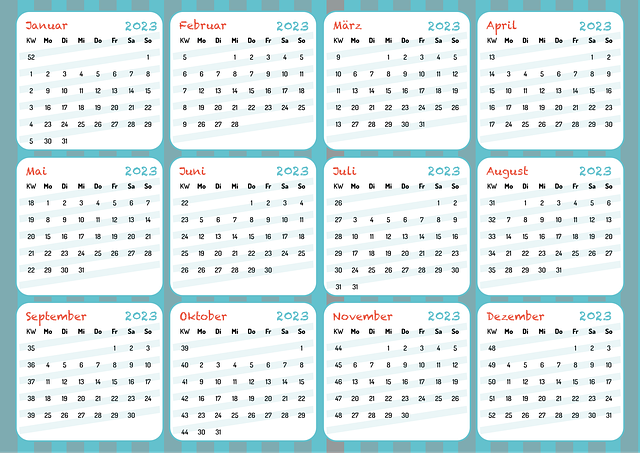
Local business events, when thoughtfully planned and executed, can serve as powerful catalysts for community engagement, brand exposure, and networking opportunities. However, understanding the unique needs of local businesses is crucial to designing successful event planning strategies. These entities often operate within tight budgets, have limited resources, and require tailored solutions that align with their specific goals. For instance, a local tech startup may prioritize events fostering industry connections and showcasing product innovations, while a neighborhood café could focus on community gatherings promoting local talent and culinary experiences.
Event planning for local businesses necessitates a nuanced approach that goes beyond the conventional. It involves delving into the core values, target audience, and unique selling propositions of each business. For example, incorporating data-driven insights can help event organizers identify high-potential attendees, ensuring a well-attended and engaged crowd. Moreover, leveraging social media platforms and local community networks can amplify reach and create buzz around events. A case study from the National Association of Event Managers (NAEM) revealed that businesses investing in strategic event marketing experienced a 20% increase in brand awareness and a 15% boost in customer retention within six months.
Practical advice for effective local business event planning includes conducting thorough pre-event research, setting clear objectives, and customizing experiences. Organizers should collaborate closely with business owners to understand their vision and target audience demographics. Using this information, they can tailor activities, select appropriate venues, and create themes that resonate with attendees. For instance, a local retailer might host an in-store event themed around sustainability, featuring eco-conscious product demonstrations and workshops, thereby appealing to environmentally conscious consumers. By combining strategic planning with a deep understanding of the local business landscape, event planners can deliver memorable experiences that drive tangible results for participating companies.
Crafting Effective Strategies for Success

Strategic event planning is a powerful tool for local businesses to elevate their brand visibility, foster community engagement, and drive growth. Crafting effective strategies involves a deep understanding of target audiences, competitive landscapes, and leveraging relevant marketing channels. According to a recent study by IBISWorld, the event planning industry in the U.S. is expected to grow at an annual rate of 3.8% through 2026, highlighting the increasing importance of well-organized events for business success.
A successful event planning strategy starts with defining clear objectives aligned with business goals. For instance, a local tech startup might aim to launch a new product by hosting a demo event to attract potential investors and early adopters. By setting measurable outcomes like “increase product awareness among 50 local tech influencers” or “generate 20 qualified leads,” the business can effectively gauge the event’s performance. This data-driven approach ensures that each element of the event, from venue selection to promotional strategies, is tailored to achieve specific objectives.
Practical insights include utilizing technology to streamline planning and engagement. Online event registration tools, social media promotion platforms, and interactive apps enhance attendee experiences while providing valuable data for post-event analysis. Additionally, leveraging local partnerships can amplify reach and impact. Collaborating with community organizations or influencers can extend the event’s visibility and foster goodwill. For example, a pop-up dinner series hosted by a local restaurant and a culinary tourism board could attract food enthusiasts from both established and emerging communities, creating a vibrant and diverse audience.
Executing & Evaluating Events for Growth Impact
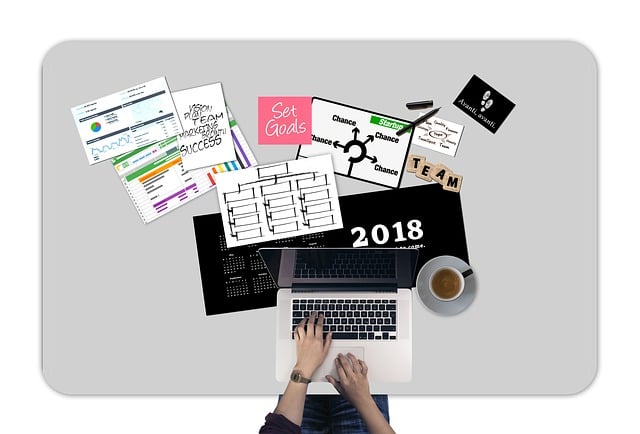
Local business events strategically planned are not just gatherings; they are powerful tools for fostering growth and community engagement. Event planning for local businesses involves a meticulous process that extends from conceptualization to evaluation. It requires a deep understanding of the target audience, clear objectives, and innovative strategies to stand out in today’s competitive market. A well-executed event can significantly enhance brand visibility, strengthen customer relationships, and even attract new clients.
The execution phase demands careful coordination among various stakeholders, including venue selection, catering, entertainment, and logistics. For instance, a local tech startup’s hackathon event not only provided a platform for developers to collaborate but also showcased the company’s innovative culture, attracting top talent and investors. Measuring the impact of such events is equally crucial. Evaluating key metrics such as attendance, engagement levels, and post-event feedback can provide invaluable insights into what worked well and where improvements are needed. According to a study by EventMB, 87% of marketers say that attending industry events helps them generate new business opportunities.
To maximize growth impact, local businesses should incorporate event planning as a strategic component of their marketing mix. This involves creating relevant content, promoting the event through multiple channels, and following up with attendees to nurture relationships. For example, a community-focused pop-up market can become an annual tradition, fostering loyalty among customers while also supporting local vendors. By analyzing past events and incorporating feedback, businesses can continuously refine their strategies, ensuring each event is more impactful than the last. This iterative process allows for sustained growth and stronger connections within the local business ecosystem.
By strategically planning local business events, entrepreneurs can unlock significant growth opportunities. Through a deep understanding of their target audience and crafting tailored event strategies, businesses can create memorable experiences that drive engagement and expansion. The article has provided invaluable insights into Event Planning for Local Businesses, guiding readers through each critical phase—from identifying needs to evaluating impact. Key takeaways include the importance of community connection, innovative marketing approaches, and data-driven decision-making. Practical next steps involve conducting thorough market research, designing diverse event formats, and utilizing digital tools for efficient planning and promotion. Embracing these strategies will empower local businesses to host successful events that enhance their reputation, attract new customers, and ultimately foster sustainable growth.