
Event Planning for Local Businesses is crucial for enhancing brand presence and community engagement. Key aspects include understanding unique business needs, leveraging expert local event planners for tailored expertise, strategic communication, and data-driven insights to create memorable experiences with significant returns on investment. Professional planners offer logistical management, vendor coordination, and budget optimization, enabling businesses to focus on core operations while maximizing event impact and fostering long-term community vibrancy.
In today’s competitive market, local businesses are constantly seeking innovative ways to connect with their target audiences. Event planning has emerged as a powerful tool for fostering community engagement and brand awareness. However, many small businesses find themselves daunted by the complexities of coordinating successful events, from logistical challenges to marketing strategies. This is where Event Planning for Local Businesses steps in as a crucial resource. Our article delves into the intricate world of event management, offering practical insights and expert guidance tailored to meet the unique needs of local enterprises. By the end, readers will be equipped with the knowledge to navigate this dynamic landscape effectively.
- Identifying Your Business's Event Planning Needs
- Strategies for Engaging Local Event Planners
- Streamlining Event Execution: Best Practices for Local Businesses
Identifying Your Business's Event Planning Needs
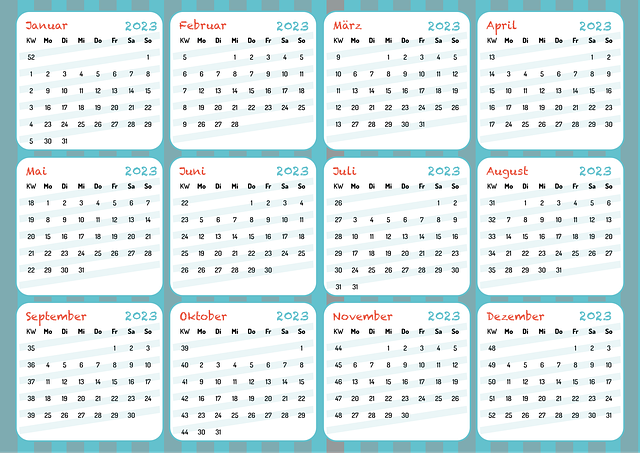
Identifying your local business’s event planning needs is a crucial step towards successful and memorable gatherings. As you consider hosting an event—be it a grand opening, team retreat, or community festival—it’s essential to understand what makes a particular event unique and how to plan for it effectively. Event planning for local businesses involves more than just decorations and catering; it entails recognizing your target audience, aligning the event with your brand identity, and ensuring seamless execution. For instance, a tech startup’s hackathon requires different logistics and ambiance compared to a traditional corporate holiday party.
A comprehensive needs assessment begins with defining your objectives. Are you aiming to boost brand awareness, foster customer engagement, or launch a new product? Each goal dictates the event format, timing, and overall strategy. Data plays a significant role here; consider analytics from previous events or similar industry trends to make informed decisions. For example, post-event surveys can provide valuable insights into attendee satisfaction and suggest areas for improvement. Additionally, engaging with your target audience through polls or focus groups can help tailor the event experience to their preferences.
Expert planners recommend creating a detailed event planning checklist that includes everything from venue selection (considering accessibility, capacity, and ambiance) to managing vendors, budgeting, and marketing. This structured approach ensures no detail is overlooked, minimizing potential disruptions during the event. By carefully evaluating your business’s unique requirements and leveraging available resources, you can create events that leave a lasting impression, enhance customer relationships, and contribute to your local community’s vibrancy.
Strategies for Engaging Local Event Planners

Engaging local event planners is a strategic move for businesses aiming to elevate their brand presence through memorable events. The key lies in recognizing the unique value these professionals bring, tailored to the specific needs of local communities. Event planning for local businesses requires a deep understanding of the target audience and the ability to translate that into creative, effective events. By fostering partnerships with skilled event planners, businesses can access expertise in logistics, design, and marketing strategies, ensuring their events are not just successful but also aligned with community interests.
A comprehensive approach involves building relationships based on mutual respect and trust. Local event planners are an integral part of the business ecosystem, and treating them as strategic partners can lead to long-term collaborations. Businesses should initiate conversations, offer collaborative opportunities, and actively seek their insights into local trends and preferences. For instance, a coffee shop chain might partner with a planner specializing in food and beverage events, allowing them to curate unique experiences that resonate with locals. This not only enhances customer engagement but also positions the business as a community supporter.
Data suggests that businesses investing in event planning see significant returns in terms of increased brand awareness and customer loyalty. A survey by EventMB revealed that 73% of event marketers agreed that events have a substantial impact on their overall marketing strategy. By employing local planners, businesses can tap into this potential more effectively. These professionals are attuned to the local scene, ensuring events are inclusive, relevant, and well-received. They also bring cost-effectiveness through their knowledge of local resources and vendors, allowing for budget-friendly planning without compromising quality.
To maximize engagement, businesses should provide clear briefings, offer flexibility, and be open to creative input from planners. Effective communication ensures that the event aligns with both the business’s objectives and the planner’s artistic vision. For example, a tech startup might brief a planner on its desire to create an immersive experience showcasing new software, leaving room for the planner to suggest innovative ideas like interactive workshops or gaming elements. This collaborative approach results in events that captivate audiences and leave a lasting impression.
Streamlining Event Execution: Best Practices for Local Businesses

Local businesses seeking event planners often face a daunting task, as the process of organizing events can be complex and time-consuming. However, by partnering with skilled professionals, these businesses can streamline event execution, ensuring memorable and successful outcomes. Event planning for local businesses involves meticulous coordination, attention to detail, and a deep understanding of community dynamics—all aspects that seasoned planners excel at managing.
One of the primary benefits of engaging event planners is their ability to handle logistical challenges efficiently. They possess a vast network of vendors, venues, and service providers, enabling them to secure the best deals and resources for any budget. For instance, a local café looking to host a grand opening could leverage a planner’s expertise to source caterers, decorators, and entertainment options that align with its brand identity and appeal to the target audience. By centralizing these arrangements, planners simplify the process, saving business owners valuable time and effort.
Furthermore, event planners bring an objective perspective, allowing local businesses to focus on their core operations. They can identify potential pitfalls and offer strategic solutions tailored to each unique event. For a retail store planning a holiday promotion, a planner could suggest innovative marketing strategies, such as partnering with local influencers or creating interactive experiences within the store. This not only enhances customer engagement but also builds brand loyalty. By implementing these best practices, local businesses can elevate their events from mere gatherings to powerful marketing and community engagement tools.
Local businesses seeking to enhance their event planning capabilities can leverage key insights from this article. By identifying specific needs, engaging local planners with strategic approaches, and adopting best practices for event execution, companies can streamline their processes effectively. Event Planning for Local Businesses isn’t merely an added service; it’s a powerful tool for fostering community connections, elevating brand visibility, and creating memorable experiences that drive business growth. Moving forward, prioritize communication, collaboration, and continuous learning to ensure your events resonate with audiences and achieve sustainable success.