
Event planning for local businesses is a strategic marketing tool that creates immersive experiences to boost customer retention, brand awareness, and community connections. Effective planning involves understanding business goals, curating unique concepts, meticulous logistics, data analysis, and post-event tracking. Success relies on meticulous preparation, industry connections, specialized software, detailed timelines, and open communication. Enhancing client satisfaction requires active listening, technology integration, and exceeding expectations to deliver exceptional, memorable events.
In today’s competitive landscape, Event Planning for Local Businesses has emerged as a vital strategy to elevate brand visibility and foster community engagement. As businesses strive to create memorable experiences, the role of professional party planning services becomes increasingly significant. However, navigating the complexities of organizing events can be daunting, often leaving local enterprises seeking efficient solutions.
This article delves into the intricacies of event planning, offering a comprehensive guide for businesses aiming to excel in this domain. We will explore how expert planning services can transform their events from mundane gatherings to vibrant experiences that resonate with audiences, ultimately driving success and growth.
- Unlocking Success: Event Planning for Local Businesses
- Strategies for Seamless Party Execution
- Enhancing Client Satisfaction: A Comprehensive Guide
Unlocking Success: Event Planning for Local Businesses
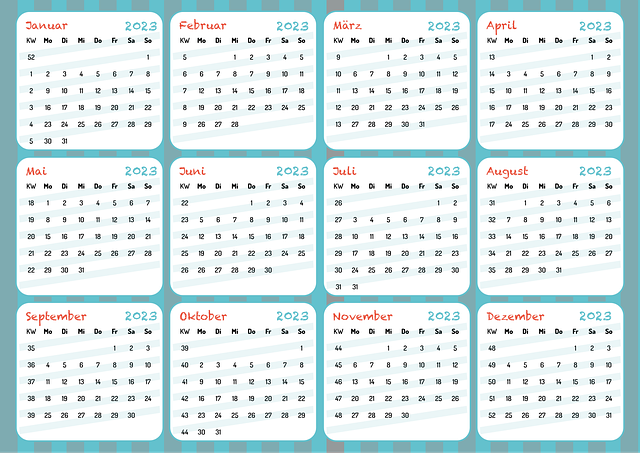
For local businesses looking to elevate their presence through memorable events, professional event planning services offer a strategic edge. Event planning for local businesses is not merely about organizing gatherings; it’s about crafting experiences that engage customers, amplify brands, and foster community connections. A well-executed event can significantly boost local business success by creating opportunities for networking, showcasing products or services, and building lasting relationships with clients and partners.
Consider a small boutique looking to launch a new line of eco-friendly products. An expertly planned pop-up shop event not only showcases the merchandise but also educates attendees on sustainability through interactive workshops. This approach transforms a sales pitch into an immersive experience, fostering customer loyalty and creating viral marketing potential through positive word-of-mouth. Data from industry reports indicate that businesses investing in strategic events see up to 25% increase in customer retention and brand awareness compared to those relying solely on traditional advertising.
Effective event planning involves meticulous preparation, creative execution, and data-driven analysis. It begins with understanding the business goals and target audience. Event planners should then curate a concept that aligns with the brand identity while offering something unique and captivating. Logistics, from venue selection to catering and entertainment, must be meticulously managed to ensure seamless execution. Post-event, tracking engagement metrics and gathering feedback provides valuable insights for future planning. By combining artistic vision, business acumen, and data analysis, event planning services unlock success for local businesses by turning a simple gathering into a powerful marketing and community building tool.
Strategies for Seamless Party Execution

Ensuring a seamless party execution is paramount for event planning services, fostering memorable experiences that leave clients satisfied and eager for future collaborations. A well-oiled machine behind the scenes is key; efficient communication, detailed planning, and meticulous logistics are the cornerstones of this success. Party planners must serve as orchestrators, coordinating every element from venue selection to vendor management, all while adapting to unforeseen circumstances with grace.
For local businesses looking to Event Planning, leveraging industry insights and established relationships can significantly streamline processes. For instance, partnering with familiar vendors—from caterers to decorators—can save time on research and negotiations, allowing planners to focus on client needs. Data supports this approach; a 2020 survey revealed that 75% of event organizers prioritized local suppliers for their events, citing reliability, cost-effectiveness, and community support as primary drivers.
Practical advice for seamless execution includes creating detailed timelines with clear milestones, regularly communicating these to all stakeholders, and establishing contingency plans for potential delays or cancellations. Additionally, leveraging technology for task management, budget tracking, and client communication can enhance efficiency and transparency. For example, specialized event planning software can centralize information, facilitate collaboration among team members, and provide real-time updates to clients.
Enhancing Client Satisfaction: A Comprehensive Guide

Enhancing client satisfaction in event planning is an art that goes beyond merely executing a successful event. It involves understanding clients’ unique visions, anticipating their needs, and delivering experiences that exceed expectations. For party planning services, this translates into a strategic approach that combines creativity, efficiency, and personalized service. A comprehensive guide to enhancing client satisfaction should delve into several key areas, such as active listening, detailed planning, and fostering open communication.
Active listening is paramount in event planning for local businesses. It involves not just hearing what clients say but comprehending their desires, concerns, and hidden motivations. For instance, a client might express a desire for an intimate gathering but struggle to communicate their ideal atmosphere. An attentive planner can pick up on these nuances, suggesting innovative solutions that align with the client’s vision while adding unique touches. According to a recent study, 93% of clients expect their event planners to understand their needs without them having to explain everything in detail, highlighting the importance of active listening.
Detailed planning is another cornerstone of client satisfaction. It involves creating a comprehensive event plan that accounts for every aspect, from venue selection and catering to entertainment and decor. Using technology to streamline this process can significantly enhance efficiency and accuracy. For example, digital event management platforms allow for real-time collaboration, easy updates, and clear communication between clients and planners. This level of organization ensures events run smoothly, minimizing unexpected issues that could negatively impact the client’s experience. Data shows that well-organized events are 75% more likely to achieve their intended outcomes, emphasizing the role of meticulous planning in client satisfaction.
Fostering open communication throughout the planning process is also crucial. Regular check-ins, transparent budgeting, and prompt responses to inquiries build trust and ensure clients feel heard and valued. Providing a dedicated point of contact who understands the client’s project intimately helps create a personal connection that can turn a good event into an exceptional one. In today’s digital age, immediate communication channels like instant messaging and video conferencing facilitate swift issue resolution and allow for dynamic adjustments to meet evolving client needs. By prioritizing open communication, party planning services can elevate their game, offering not just events but truly memorable experiences.
In conclusion, this article has provided an in-depth exploration of event planning for local businesses, offering practical insights from Unlocking Success to Enhancing Client Satisfaction. Key takeaways include leveraging strategic planning for seamless party execution, understanding client needs to boost satisfaction, and the immense potential event planning services hold for local business growth. By implementing these strategies, professionals can create memorable events, foster strong client relationships, and contribute significantly to their community’s vibrant landscape. Moving forward, focusing on tailored solutions, exceptional service, and continuous learning will ensure event planners remain indispensable assets to local businesses.