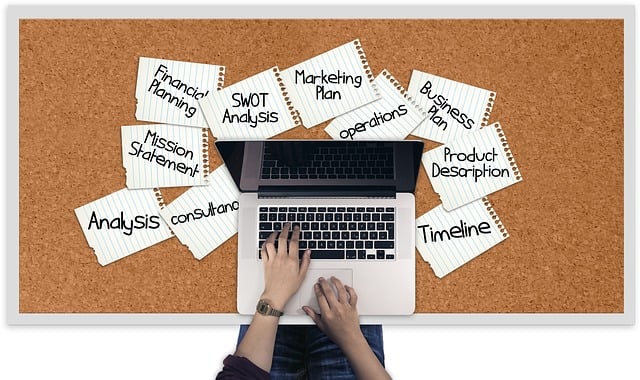
Strategic Event Planning for Local Businesses transforms employee appreciation events into powerful morale boosters. Focus on purpose (celebration, morale boost, team building), gather employee input, and curate engaging themes. Detailed logistics, vendor collaboration, and post-event feedback analysis ensure success. Data shows increased productivity up to 15% and higher job satisfaction, with tailored events refining company culture. Event Planning for Local Businesses tracks KPIs like turnover rates and satisfaction levels, leveraging both quantitative and qualitative data for continuous improvement.
In today’s competitive business landscape, employee appreciation is more vital than ever for fostering a positive work environment and boosting morale. However, many local businesses struggle to effectively recognize and reward their staff, leading to decreased productivity and higher turnover rates. Event planning plays a pivotal role in solving this dilemma. By leveraging the expertise of professional event planners, local businesses can transform mundane gatherings into memorable employee appreciation parties that truly motivate and inspire their workforce. This article delves into the art of event planning for local businesses, offering practical strategies and insights to elevate employee recognition to new heights.
- Planning Strategies for Successful Employee Appreciation Events
- Creating Engaging Themes: Event Ideas for Local Businesses
- Measuring Impact: Evaluating the Benefits of Employee Recognition Parties
Planning Strategies for Successful Employee Appreciation Events
Creating memorable Employee Appreciation Events requires meticulous planning, leveraging relevant Event Planning for Local Businesses strategies, and an understanding of your workforce dynamics. Begin by identifying the primary purpose of the event—is it to celebrate achievements, boost morale, or foster team building? This clarifies objectives, guiding subsequent decisions from venue selection to activity choices. For instance, a casual gathering at a local park with interactive games fosters camaraderie, while a sophisticated dinner at a renowned restaurant may be better suited for recognizing significant milestones.
Consider your employee preferences and work culture. Conduct surveys or hold focus groups to gauge their interests and event preferences. This data-driven approach ensures the event aligns with their tastes, enhancing engagement and enjoyment. For example, if your team enjoys outdoor activities, incorporate these into the planning. Local businesses specializing in adventure tourism could offer discounted experiences, enriching the event while supporting fellow local enterprises.
Logistics are paramount for successful execution. Create a detailed timeline, allocating time for vendor negotiations, setup, guest invitations, and follow-up. Collaborate with venue managers and caterers to ensure smooth delivery of services. Utilizing the expertise of professional event planners or leveraging online platforms designed for Local Business Event Planning can streamline these processes. Remember, attention to detail—from ensuring adequate seating arrangements to confirming AV equipment functionality—is crucial for a seamless experience.
Finally, measure the event’s impact post-celebration. Collect feedback through surveys to gauge employee satisfaction and identify areas of improvement. Analyze attendance rates and observe behavioral shifts among team members in the subsequent weeks. Such data provides invaluable insights into the effectiveness of your appreciation strategies, enabling you to refine and enhance future events, ultimately fostering a more satisfied and productive workforce.
Creating Engaging Themes: Event Ideas for Local Businesses

Employee appreciation parties are a powerful tool for event planning in local businesses, fostering a positive work environment and boosting employee morale. The key to a successful event lies in creating engaging themes that resonate with your team. A well-thought-out theme not only adds excitement but also provides an opportunity to strengthen bonds among colleagues, especially in the vibrant, fast-paced work environments of today.
When planning events for local businesses, consider themes that cater to diverse interests and personalities. For instance, a ‘Retro Game Night’ can tap into nostalgia, encouraging employees to bond over classic board games or video games from their youth. Alternatively, a ‘Culinary Adventure’ theme could take the form of an international food festival, where teams prepare dishes representing different countries, fostering cultural exchange and teamwork. Data suggests that employee engagement events can lead to increased productivity by up to 15%, making them a strategic investment for local businesses (Source: Forbes).
To ensure your event planning for local businesses stands out, incorporate interactive elements. A ‘Scavenger Hunt’ within the workplace or nearby locations can be both entertaining and team-building. Employees can collaborate, solve puzzles, and discover hidden gems in their community, creating lasting memories. For a more relaxed atmosphere, host a ‘Wellness Retreat’ day, offering yoga sessions, meditation workshops, and healthy cooking demonstrations. This approach not only appreciates employees but also promotes work-life balance, addressing the growing demand for mental health and wellness initiatives in the workplace.
Remember, successful event planning involves understanding your workforce’s needs and preferences. Conduct anonymous surveys or hold focus groups to gather insights. Tailor your themes and activities accordingly, ensuring every employee feels valued and included. By embracing creativity and personalization, local businesses can create events that leave a lasting impact, fostering a culture of appreciation and gratitude that translates into increased job satisfaction and retention rates.
Measuring Impact: Evaluating the Benefits of Employee Recognition Parties
Employee appreciation parties are a powerful tool for fostering workplace morale and loyalty, but their true impact often goes beyond immediate observations. Measuring the effectiveness of these events is crucial for Event Planning for Local Businesses aiming to create meaningful change. A well-organized employee recognition party can significantly boost team dynamics, engagement, and productivity—effects that ripple throughout the organization.
Quantifying these benefits requires a strategic approach. One effective method involves tracking key performance indicators (KPIs) both before and after the event. For instance, businesses might monitor employee turnover rates, with data suggesting a decline post-appreciation party. Additionally, surveys can gauge employee satisfaction levels and their sense of belonging within the team. According to a study by LinkedIn, companies that prioritize employee recognition experience 21% higher productivity compared to their peers.
Furthermore, qualitative analysis is invaluable. Post-party debriefings allow employees to voice their experiences, providing insights into what aspects resonated most. This feedback loop ensures future events are tailored to meet the team’s unique needs and preferences. For example, a local tech startup discovered that personalized awards, based on individual contributions, significantly elevated employee morale, leading them to organize quarterly recognition events as a standard practice. By combining quantitative data with qualitative feedback, Event Planning for Local Businesses can fine-tune their strategies, making every appreciation party a meaningful investment in the company’s culture and success.
Employee appreciation parties, when well-planned and executed, can significantly boost morale, foster a positive work environment, and enhance employee retention for local businesses. The key to successful event planning lies in strategic themes that resonate with employees’ interests and the company culture. By incorporating engaging ideas tailored to specific business needs, these events become memorable experiences. Additionally, measuring the impact through evaluation provides valuable insights into the benefits of recognition, allowing local businesses to refine their appreciation strategies. Event planning for local businesses should focus on creating meaningful connections among colleagues, celebrating achievements, and fostering a sense of belonging, ultimately leading to increased productivity and satisfaction.