
Event Planning for Local Businesses requires a strategic approach focusing on defining event purpose and objectives, understanding business goals through industry data, and tailoring marketing strategies to target key decision-makers. Successful events foster connections, showcase brand identities, and drive growth. Key steps include meticulous planning, leveraging event management software, clear communication, detailed venue inspections, and remote collaboration tools. Post-event analysis using KPIs, participant feedback, and case studies ensures continuous improvement. Systematic evaluation transforms events into impactful gatherings that strengthen local business relationships.
In today’s competitive business landscape, event planning for local businesses has emerged as a crucial strategy to foster connections, boost brand visibility, and attract new customers. Corporate events, when expertly coordinated, can be game-changers, creating unforgettable experiences that leave lasting impressions. However, navigating the complex web of logistics and ensuring these events align with business objectives can be a challenging task for local entrepreneurs. This article delves into the art and science of corporate event planning, offering insights and expert guidance to help local businesses elevate their presence through dynamic and meaningful gatherings.
- Strategize: Crafting Corporate Event Vision for Local Businesses
- Execute: Seamless Coordination for Memorable Experiences
- Evaluate: Measuring Success & Enhancing Future Events
Strategize: Crafting Corporate Event Vision for Local Businesses
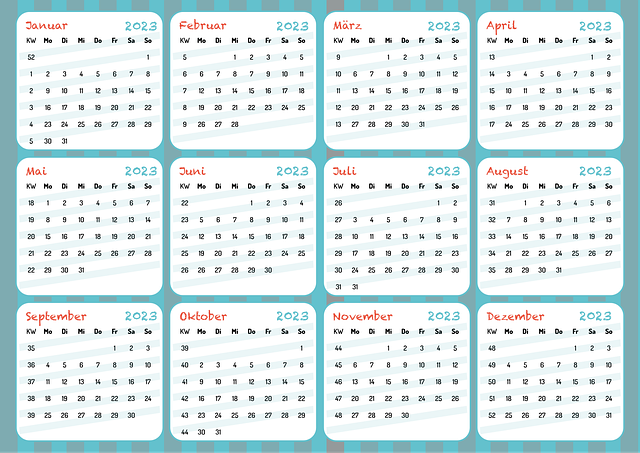
Strategizing for event planning is a meticulous process, especially when tailored for local businesses aiming to elevate their corporate profile within the community. It involves more than just organizing a gathering; it’s about crafting an experience that resonates with attendees while aligning with the brand identity of the business. A well-conceived corporate event can foster significant networking opportunities, strengthen client relationships, and enhance the overall reputation of the company.
The first step in this process is to define the event’s purpose and objectives. Is it a product launch, an annual gala, or a training seminar? Each has its unique requirements and potential for engagement. For instance, a tech startup might opt for an interactive workshop to demonstrate their innovative products, while a local restaurant could host a gourmet dining experience to showcase culinary talents. Understanding the business goals is crucial; data from industry sources can provide valuable insights into current trends, helping event planners tailor experiences that captivate and convert potential clients or customers.
Once the vision is established, the planning team must consider the target audience. Local businesses often cater to a specific demographic, so tailoring the event to appeal to key decision-makers or influencers within that segment becomes essential. This might involve creative marketing strategies to encourage attendance and ensure the event generates tangible results. For example, offering exclusive discounts or early access to new products for attendees can create a sense of urgency and leave a lasting impression. By focusing on both the event’s vision and its audience, local businesses can achieve successful corporate events that foster meaningful connections and drive growth.
Execute: Seamless Coordination for Memorable Experiences

Corporate events play a pivotal role in fostering connections, showcasing brand identities, and driving business growth. Executing these events seamlessly is an art that requires meticulous planning and expert coordination. When local businesses invest in event planning, they aim to create memorable experiences that resonate with their audiences. This involves more than just booking venues and managing catering; it entails crafting immersive environments that engage attendees, foster meaningful interactions, and align with the brand’s message.
Seamless coordination is the cornerstone of successful corporate events. It begins with a comprehensive understanding of the event’s purpose, target audience, and desired outcomes. Event planners must consider every detail, from logistical aspects like venue selection and timing to creative elements such as theming, entertainment, and branding integrations. Utilizing advanced event management software can streamline this process, enabling real-time communication, task assignment, and resource allocation among stakeholders. For instance, a study by IBISWorld reveals that efficient event planning contributes to higher attendee satisfaction levels, leading to increased brand loyalty and positive word-of-mouth recommendations.
Practical advice for achieving seamless coordination includes establishing clear lines of communication with clients, vendors, and staff; creating detailed timelines and checklists; and conducting thorough venue inspections. Additionally, leveraging technology for remote collaboration and digital event registration can enhance efficiency and reduce operational costs. Local businesses should also consider the unique preferences and needs of their target audiences to personalize events effectively. For example, a tech startup might host an interactive hackathon, while a traditional financial institution could opt for a more formal networking dinner with industry leaders. Tailoring events to specific demographics ensures higher engagement and leaves a lasting impression.
Evaluate: Measuring Success & Enhancing Future Events

Evaluating success and enhancing future events are pivotal aspects of corporate event planning that often determine the long-term impact and effectiveness of these gatherings. For local businesses investing significant resources in such events, meticulous post-event analysis can offer invaluable insights for continuous improvement. This process involves a multi-faceted approach, encompassing key performance indicators (KPIs), participant feedback, and comprehensive debriefings.
A robust evaluation framework should capture various dimensions, including event reach and engagement, return on investment (ROI), and the overall achievement of set objectives. For instance, measuring social media engagement during and after an industry conference can provide a concrete metric for gauging interest and impact. Data-driven insights from such analyses allow organizers to make informed decisions about future events, refining content, format, and logistical aspects. Event Planning for Local Businesses can benefit from case studies of successful events, identifying best practices and potential pitfalls to avoid.
Additionally, gathering qualitative feedback through post-event surveys and one-on-one interviews offers a deeper understanding of participant experiences. This feedback loop is essential in uncovering areas for improvement, such as speaker engagement, networking opportunities, or event logistics. By systematically incorporating these evaluation strategies, corporate events can evolve into more impactful and memorable gatherings, fostering stronger connections between local businesses, their clients, and partners.
By strategically crafting a compelling corporate event vision tailored to local businesses, seamlessly coordinating every detail for unforgettable experiences, and rigorously evaluating success with enhancements in mind, event planners empower organizations to achieve significant goals. This article has underscored the importance of each phase – from initial strategization to post-event evaluation – in the event planning for local businesses. Key insights include the need for clear objectives, meticulous execution, and data-driven improvements. Moving forward, prioritize collaboration among stakeholders, innovative experiences that resonate with audiences, and continuous learning from each event to ensure lasting success.
About the Author
Meet Sarah Thompson, a renowned Corporate Event Specialist and Project Manager with over 15 years of experience. Certified in Event Management (CEM) by the International Association of Meetings and Events (IAME), Sarah has successfully orchestrated countless high-profile conferences and seminars globally. Her expertise lies in creating immersive experiences that drive engagement and foster meaningful connections among industry leaders, as featured in her regular contributions to Forbes. Follow her insights on LinkedIn for the latest trends in corporate event planning.
Related Resources
1. Eventbrite (Industry Platform): [Offers insights into successful event management strategies and trends from a leading industry player.] – https://www.eventbrite.com
2. The Convention Industry Association (CIA) (Trade Organization): [Provides data-driven research and best practices for the convention and events industry.] – https://www.convene.org
3. Harvard Business Review (HBR) (Academic Journal): [Offers case studies, articles, and expert analysis on corporate event management and strategic planning.] – https://hbr.org
4. United States Small Business Administration (SBA) (Government Portal): [Provides resources for small businesses, including tips and guidance on hosting effective corporate events.] – https://www.sba.gov/starting-a-business/planning-and-strategy/hosting-events
5. Event Management Institute (EMI) (Professional Organization): [Offers certification programs, courses, and industry insights for event planners.] – https://eventmanagementinstitute.org
6. Forbes (Business Magazine): [Features articles by industry experts on innovative event planning techniques and successful corporate events.] – https://www.forbes.com
7. Internal Corporate Event Planning Best Practices Guide (Internal Document): [Provides company-specific guidelines, templates, and best practices for creating high-impact corporate events.] – (Access restricted, contact HR for details)