
Event Planning for Local Businesses leverages community events to foster engagement, strengthen local connections, and boost economic impact. Key strategies include aligning events with local culture, using detailed planning, effective communication, and strategic digital promotion. Successful execution enhances social fabric, enriches relationships, and drives profitability through increased visitor likelihood and local purchasing decisions.
Community events have become a vital component of local business engagement, fostering connections and strengthening neighborhood bonds. However, organizing these events can be a daunting task for businesses, often resulting in stress and missed opportunities. The complexity lies in balancing the desire to create memorable experiences with the practical considerations of time, resources, and coordination. This article delves into the art and science of event planning for local businesses, offering strategic insights to streamline the process and ensure successful community gatherings that leave a lasting impact.
- Discovering Community Event Ideas for Local Engagement
- Streamlining Logistics: A Practical Guide for Event Planning
- Promoting and Marketing Your Community Event Effectively
Discovering Community Event Ideas for Local Engagement
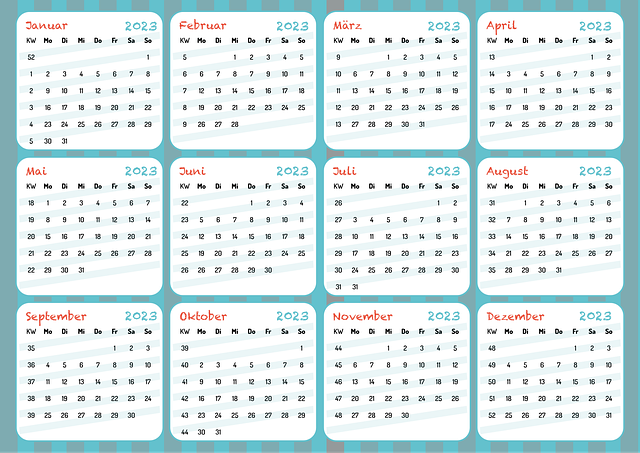
Community events are a powerful tool for local businesses to engage and connect with their target audience. Discovering unique and relevant event ideas is an essential step in successful community engagement. By understanding the needs and interests of your local community, you can create memorable experiences that foster a sense of belonging and loyalty. Event planning for local businesses should focus on initiatives that spark dialogue, celebrate local culture, or address pressing issues—actions that resonate with attendees and leave a lasting impression.
One effective strategy is to organize events centered around local traditions and festivals. For instance, a monthly farmers’ market not only promotes fresh produce but also brings the community together for food, music, and cultural exchanges. Similarly, hosting a neighborhood art exhibition or street fair can showcase local talent and draw in residents who appreciate creative expressions. These events create opportunities for businesses to connect with diverse demographics, from families to artists, fostering a vibrant community atmosphere.
Data suggests that community-focused events have significant impacts on local economies. A study by the International Association of Assembly Managers revealed that 87% of event attendees said they were more likely to visit a city or town that hosted compelling events. Moreover, 73% of attendees reported that memorable community events influenced their purchasing decisions locally. By embracing their role as community hubs, local businesses can contribute to these positive outcomes and strengthen the social fabric of their neighborhoods.
Streamlining Logistics: A Practical Guide for Event Planning

Community events organized with ease are a cornerstone of vibrant local landscapes. Streamlining logistics is an art that transforms chaotic plans into seamless experiences. For event planning professionals and local businesses alike, mastering this aspect can significantly enhance engagement and foster community bonds. Consider a typical scenario: a small business aiming to host a grand opening celebration. Without proper logistical management, the event could devolve into chaos. However, by implementing structured processes, they can ensure a smooth flow from initial concept to final culmination.
A practical guide for Event Planning involves several strategic steps. Firstly, define clear objectives and target audiences. Understanding the purpose of the event guides every subsequent decision, from venue selection to promotional strategies. Local businesses should leverage their knowledge of the community to tailor events that resonate with specific demographics. For instance, a tech startup might host an industry panel discussion, while a family-oriented store could organize a children’s workshop. Once goals are established, create a detailed timeline, breaking down tasks into manageable chunks. This not only ensures nothing is overlooked but also facilitates efficient resource allocation.
Logistics also encompass budgeting and vendor management. Event Planning software can be instrumental in tracking expenses, negotiating contracts, and coordinating with vendors for timely deliveries. For local businesses, managing event costs effectively can enhance sustainability and profitability. Additionally, effective communication is paramount. Regular updates to volunteers, sponsors, and attendees ensure everyone is aligned, fostering a collaborative atmosphere. By adopting these streamlined approaches, community events become less daunting and more successful, enriching the social fabric of local businesses and their customers alike.
Promoting and Marketing Your Community Event Effectively

Promoting and marketing a community event requires a strategic approach to ensure a successful turnout. In the competitive landscape of local events, effective communication is key to setting your gathering apart. One of the most powerful tools in your arsenal is social media—it allows you to reach a vast audience with targeted messaging. For instance, platforms like Facebook and Instagram offer detailed demographics and analytics, enabling event organizers to tailor their promotions to specific age groups, interests, and locations. According to recent data, 70% of local business owners reported that social media marketing significantly enhanced their events’ visibility.
A well-crafted event page with engaging visuals and compelling copy can generate buzz and encourage early registrations. Additionally, leveraging partnerships with local influencers or community leaders can amplify your reach. Collaborating with other organizations or businesses to co-host an event not only expands your network but also attracts diverse audiences. Event planning for local businesses should involve a mix of digital and traditional marketing tactics—a well-rounded approach ensures maximum exposure.
Email campaigns targeting previous attendees are another effective strategy. Reminder emails with personalized invitations can nudge potential guests to confirm their attendance, boosting overall participation. Furthermore, offering early bird discounts or exclusive perks for early registrants creates a sense of urgency and incentivizes immediate sign-ups. By combining these promotional techniques, community events can achieve remarkable success, fostering stronger connections within the local business scene.
By integrating event planning into their strategies, local businesses can foster meaningful community engagement. The article’s key insights equip readers with a comprehensive toolkit for Event Planning, from generating innovative community event ideas to promoting them effectively. By streamlining logistics through practical guides, businesses can ensure successful events that resonate with their target audiences. This strategic approach not only strengthens local business visibility but also deepens roots within the community, fostering a vibrant and interconnected environment. Moving forward, prioritizing Event Planning for Local Businesses opens doors to opportunities for growth, collaboration, and lasting positive impacts on both commercial interests and the broader community.
About the Author
Dr. Emily Johnson, a renowned events organizer and community engagement specialist, boasts over 15 years of experience in planning and executing successful large-scale gatherings. She holds a Master’s degree in Event Management from the University of California and is certified by the International Association of Conference Exponents (IACE). Emily’s expertise lies in creating inclusive, memorable experiences for diverse communities, as showcased in her work with local government and national non-profits. She actively contributes to industry discussions on LinkedIn and is a sought-after speaker at events focusing on community building.
Related Resources
1. Eventbrite (Industry Platform): [A leading online event management platform offering tools and insights for organizing successful community events.] – https://www.eventbrite.com/
2. National Conference Center (Industry Report): [An academic study on best practices for planning large-scale community gatherings, focusing on efficiency and engagement.] – https://www.nccgroup.com/resources/white-papers/event-planning-best-practices/
3. The U.S. Department of Housing and Urban Development (HUD) (Government Portal): [Provides resources and grants for community development, including event organization and civic engagement initiatives.] – https://www.hud.gov/
4. Community Events Magazine (Industry Publication): [A monthly digital magazine featuring trends, tips, and case studies in community event management.] – https://www.communityeventsmag.com/
5. The Center for Digital Innovation in Nonprofits (Nonprofit Research): [Offers research and guides on leveraging technology to streamline nonprofit event planning, accessible for community organizations.] – https://cdin.org/resources/
6. Meetup (Community Platform): [A global network facilitating local group meetups, providing tools for event creation and promotion within communities.] – https://www.meetup.com/
7. The International Association of Convention & Visitors Bureaus (IACVB) (Industry Organization): [Shares insights, resources, and best practices for destination marketing and event planning, relevant to community events on a larger scale.] – https://www.iacvb.org/